I trained as a surveyor in Modena and spent my first years in a small technical practice, learning the practical side of the profession through technical drawing, surveying and construction sites. At that stage I was not designing structures yet — I was simply learning how buildings move from a drawing to something real.
Then I wanted to understand what was behind those drawings. I studied civil and structural engineering at the University of Modena and Reggio Emilia. After graduating, the professor who supervised my thesis gave me my first real opportunity to work as an engineer. He became my mentor, and his studio was where calculations, models and theory first turned into professional responsibility.
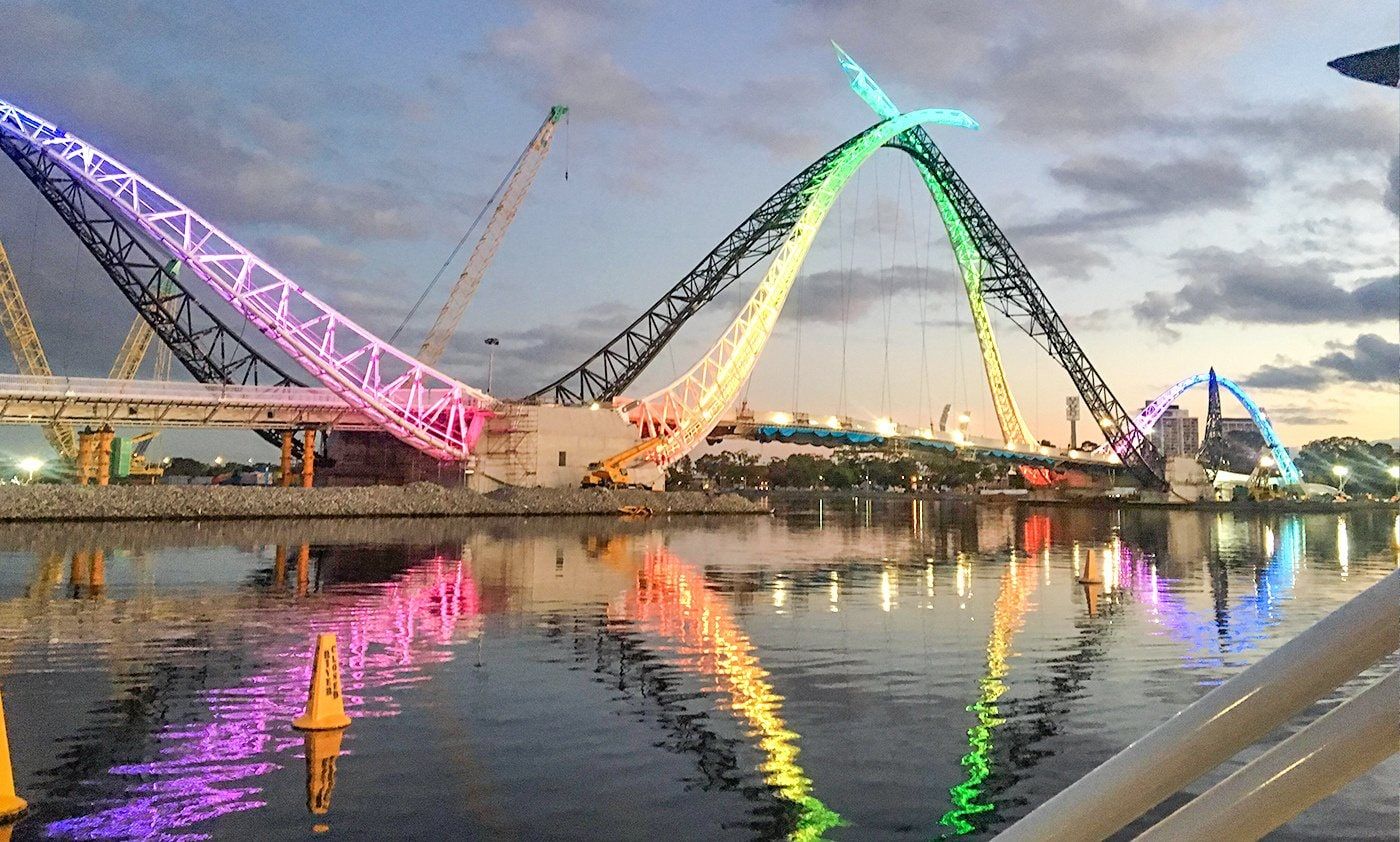
Over the following decade, engineering became the centre of my work. I started my own independent practice, worked with Regione Emilia-Romagna on seismic-risk prevention and later took responsibility for structural engineering at Kosmos Group. The projects changed constantly — existing buildings, historic masonry, seismic retrofits, steel structures, roofs, bridges and complex finite-element analyses — but what kept me interested was always the same question: understanding how something behaves, where the real problem is, and finding a way to solve it.
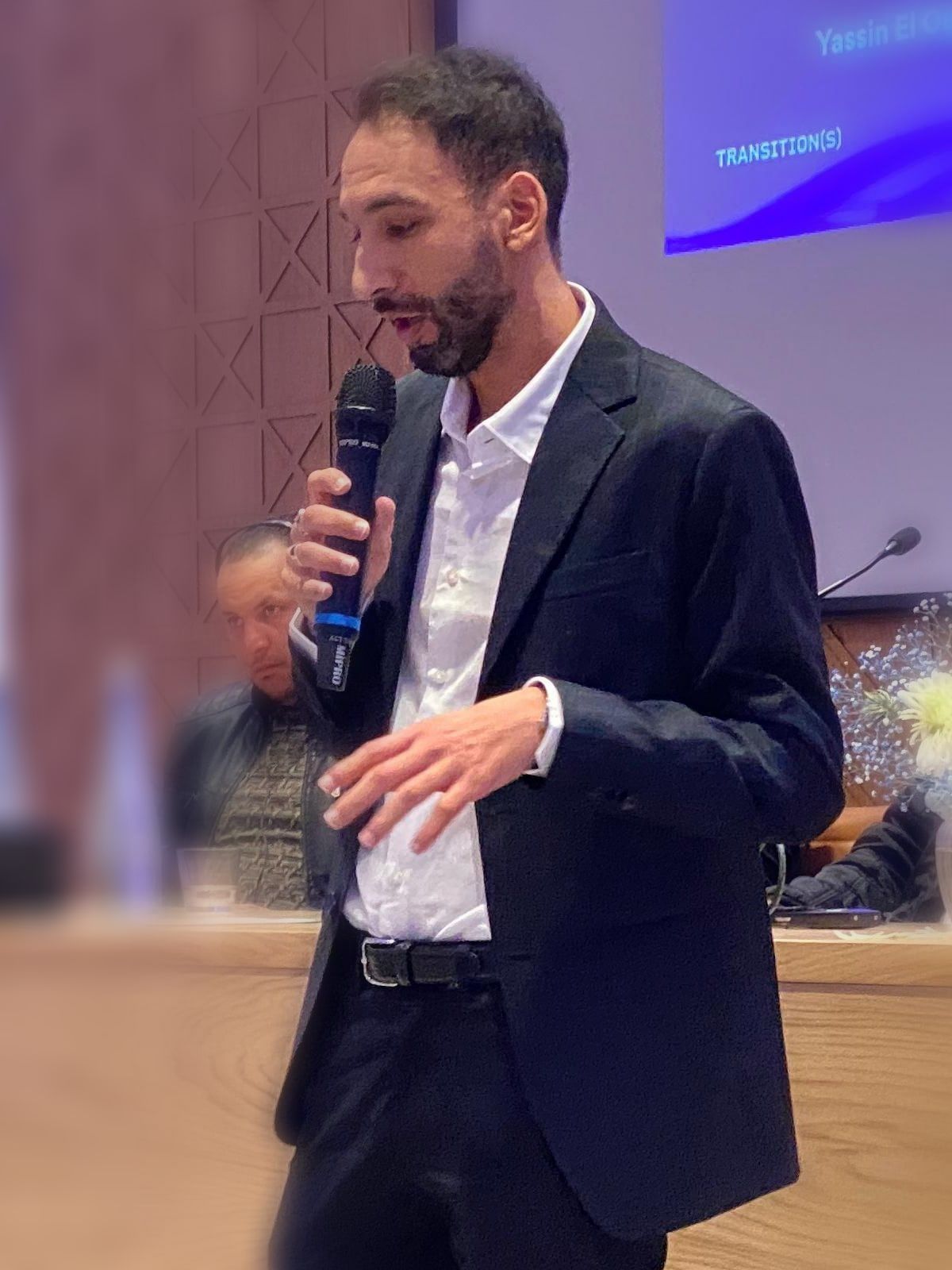
At the same time, I began sharing part of that journey online. Through YouTube, Instagram and other platforms, I started talking about engineering, careers and the reality of the profession — initially to help students and young engineers understand a world that can look very different from what is taught at university. Over time, that became a community following not only the technical work, but also the decisions, projects and lessons behind it.
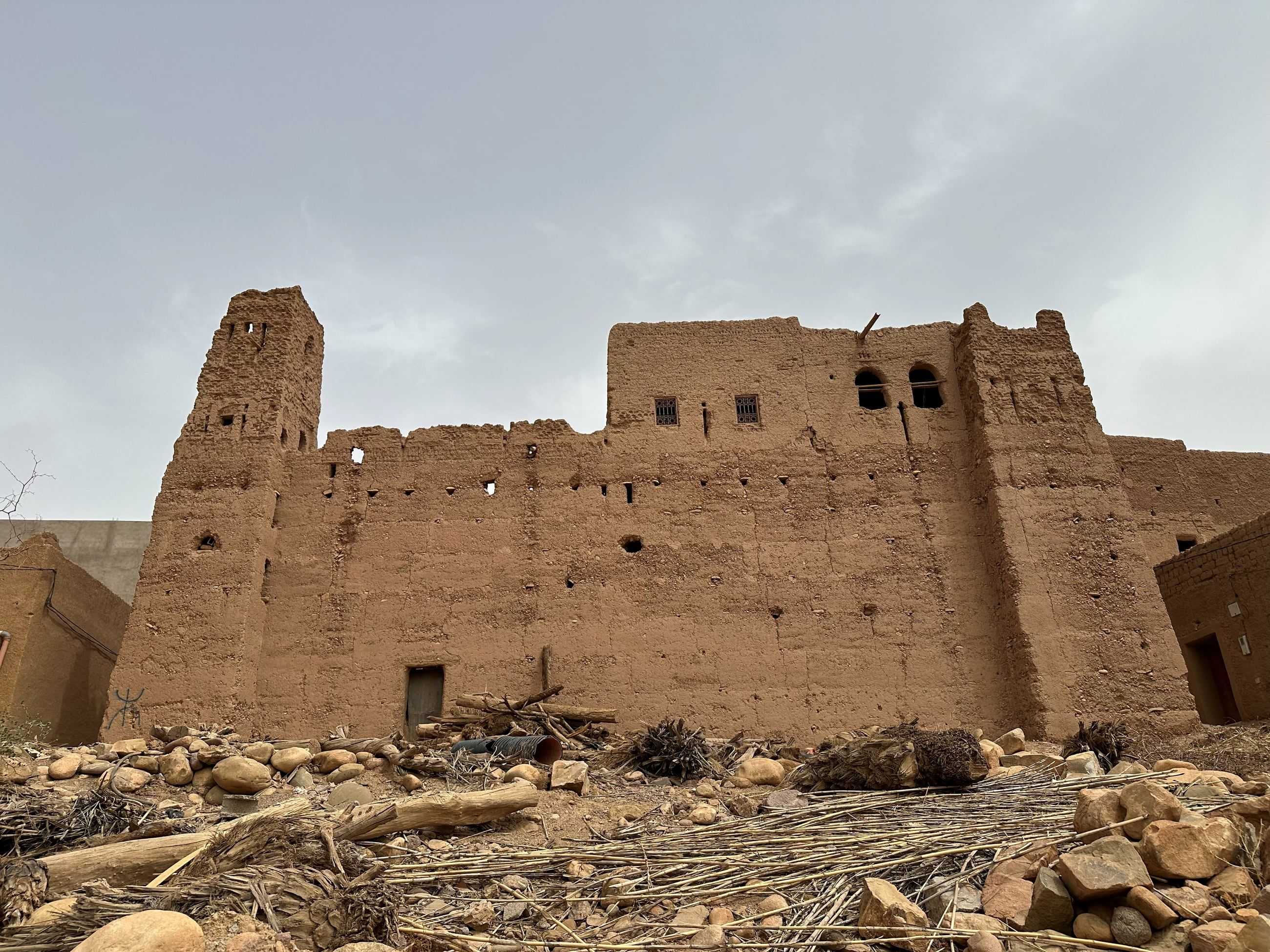
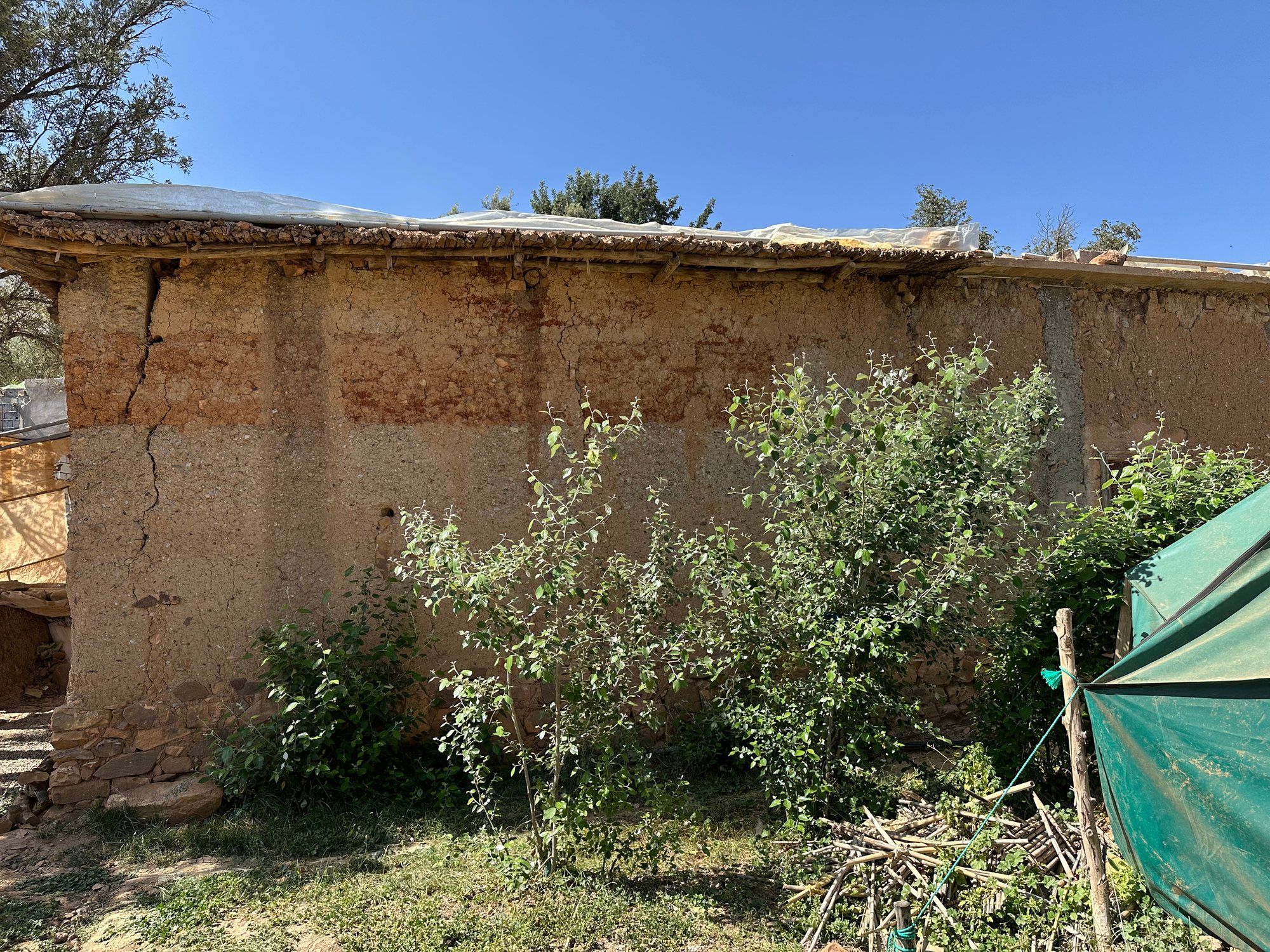
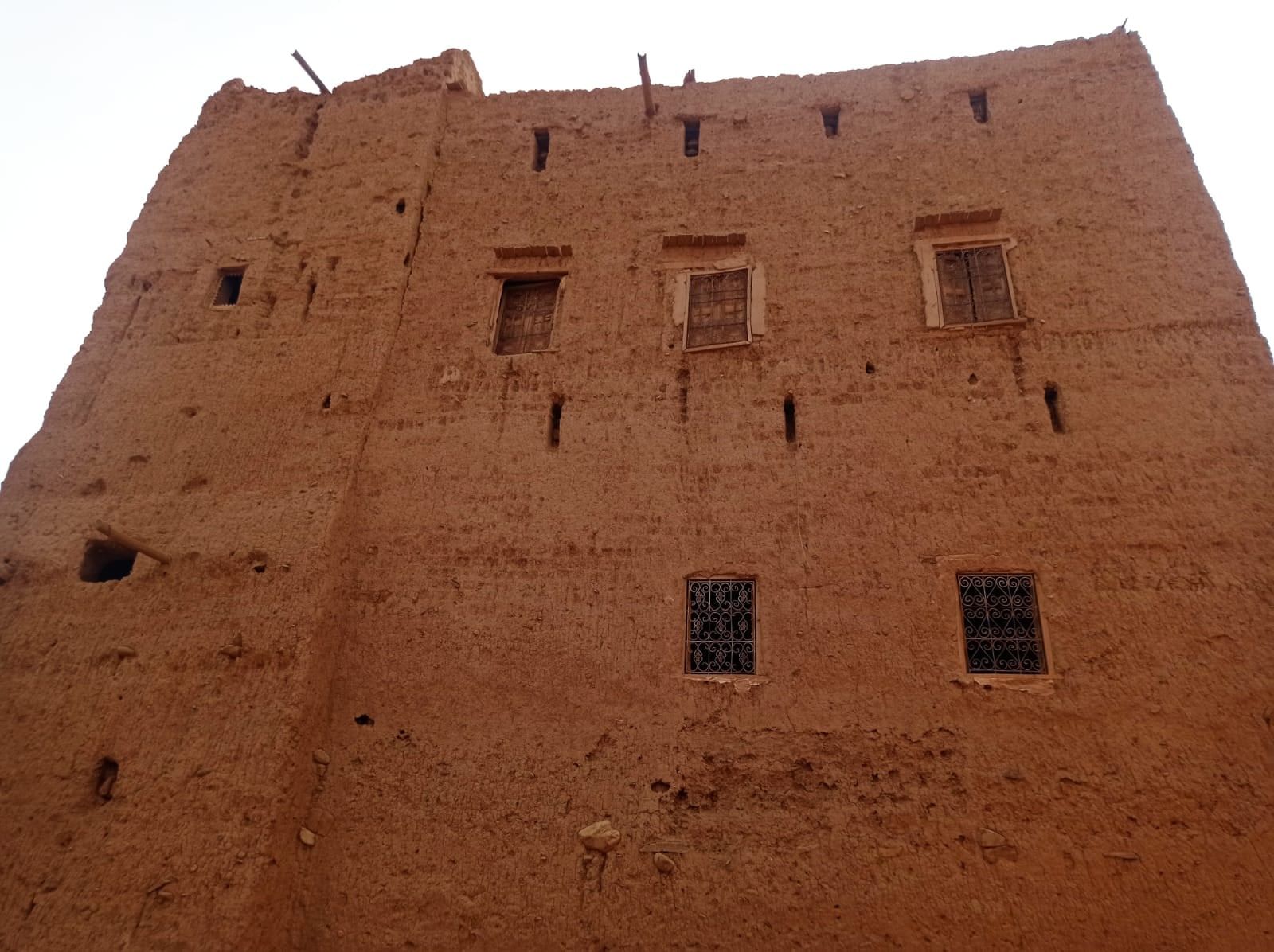
Then, in 2023, Morocco changed the scale again. After the Al Haouz earthquake, my work moved into post-earthquake engineering, reconstruction and seismic resilience with Miyamoto International. Engineering was no longer only about designing or assessing a building. It meant working with communities, institutions, local builders and multidisciplinary teams, making technical decisions in situations where their consequences were immediate and very real. What started as engineering gradually became something larger: building teams, managing projects and creating organisations capable of delivering them. ReBuild came from that evolution.
And somewhere along the way, another old interest came back. I had been interested in programming long before I ever thought about building a technology company. Over the years I had written small tools, spreadsheets and software to solve engineering problems, but engineering remained my profession and software stayed mostly in the background. Years later, after seeing the same inefficiencies repeated across real projects and construction sites, those two worlds finally met. That is where SafeDesk came from.
Today I work between Italy and Morocco, across engineering, construction and technology. I still design structures. I build companies around problems I encounter in the real world. And I continue to share some of what I learn with the people who have followed that journey.
The disciplines are different, but the reason I work on them is mostly the same:
I like understanding difficult problems — and building something that
solves them.